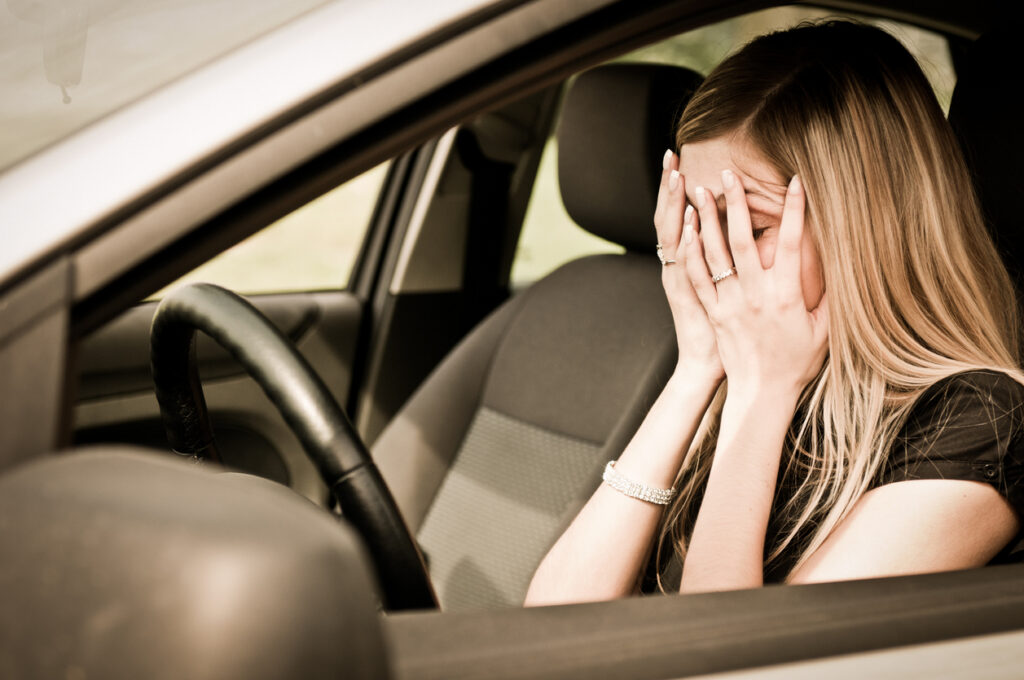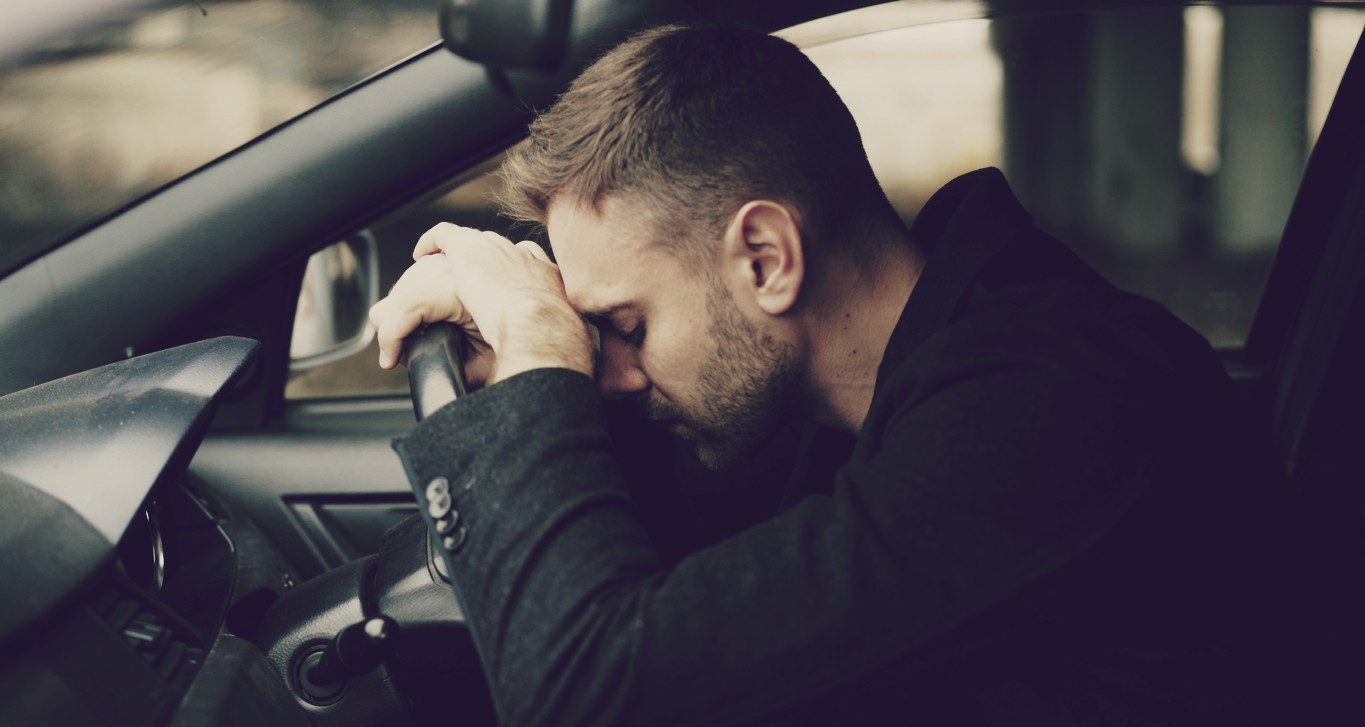
For many people, cars are more than a way to get from one place to another. They represent freedom, creativity, excitement, and a sense of accomplishment. Working on an engine, restoring a classic vehicle, or attending car shows can be rewarding hobbies that bring people together. However, when an obsession with cars begins to replace healthy coping skills, interfere with relationships, or take priority over addiction recovery, it may point to deeper emotional struggles. Understanding the connection between car obsession, mental health, and recovery can help individuals enjoy their interests without allowing them to become a source of harm.
When Does a Passion for Cars Become an Escape?
Enjoying cars is not a mental health problem in itself. Many enthusiasts find that automotive hobbies help them relax, develop practical skills, and connect with others who share their interests. The concern arises when spending time with cars becomes a way to avoid difficult feelings rather than a balanced part of everyday life.
For example, someone experiencing anxiety, depression, loneliness, or stress might spend increasingly long hours in the garage to avoid thinking about personal challenges. Another person may focus on buying parts, modifying a vehicle, or attending automotive events whenever uncomfortable emotions arise.
Although these activities can provide temporary relief, they may not address the underlying problem.
Recognizing the Difference Between Passion and Avoidance
A healthy hobby generally fits into a person’s life without consistently interfering with important responsibilities. In contrast, an unhealthy pattern may develop when someone feels unable to step away from the activity, even when doing so would benefit their health or relationships.
Consider these potential warning signs:
- Spending so much time working on cars that work, family responsibilities, or recovery appointments are neglected.
- Spending beyond a reasonable budget on vehicles, upgrades, or automotive equipment.
- Feeling irritable or distressed when unable to participate in car related activities.
- Using the garage or automotive events to avoid difficult conversations or emotional discomfort.
- Losing interest in other hobbies, friendships, or activities that once brought enjoyment.
- Turning to alcohol or other substances while working on vehicles or socializing with other enthusiasts.
One sign alone does not establish a mental health condition or addiction. However, repeated patterns that affect daily functioning deserve attention. Recognizing these changes early can help individuals make healthier choices before the consequences become more serious.
How Car Obsession Can Affect Mental Health
When a hobby becomes a primary way to manage emotions, it can influence mental well being in several ways. The effects may develop gradually, making them difficult to recognize at first.
Avoiding Stress Instead of Addressing It
Working on a car can provide structure and a welcome distraction from everyday pressures. However, constant distraction can become a problem when it prevents someone from addressing anxiety, relationship conflicts, grief, or other sources of distress.
For instance, a person struggling with depression may feel productive while restoring a vehicle but continue to experience sadness or hopelessness when the project ends. The hobby offers temporary relief, yet the emotional concern remains.
Developing healthier coping skills can help people face these feelings without relying on a single activity for comfort.
Financial Pressure and Relationship Conflict
Automotive hobbies can involve significant expenses, including tools, repairs, upgrades, insurance, and storage. Financial strain may increase when purchases become impulsive or are used to improve mood.
Relationships can also suffer when a person’s interest consistently takes priority over shared responsibilities. Family members may feel ignored, while the individual may become defensive when others express concern.
Setting a realistic budget, agreeing on dedicated hobby time, and communicating openly can help restore balance. These steps are particularly important during addiction recovery, when financial stability and supportive relationships can contribute to long term progress.
Reduced Emotional Awareness
Constantly staying busy can make it harder to recognize emotional triggers. Someone may not realize that they turn to automotive projects whenever they feel rejected, overwhelmed, angry, or lonely.
Learning to identify these patterns creates an opportunity to respond differently. Instead of automatically retreating to the garage, a person might contact a trusted friend, practice a relaxation technique, or discuss the underlying concern with a mental health professional.
The Connection Between Car Obsession and Addiction Recovery
Addiction recovery involves more than stopping substance use. It also includes learning to manage stress, recognize triggers, build supportive relationships, and develop routines that promote emotional stability.
For some people, an intense focus on cars may become a way to avoid the feelings or situations that contribute to substance use. Others may use automotive activities in healthy ways that support their recovery. The difference depends on how the hobby affects their overall well being.
Replacing One Coping Pattern With Another
During recovery, people often need to discover new ways to handle discomfort without alcohol or other substances. Hobbies can play an important role in this process by providing enjoyment, structure, and a sense of achievement.
However, replacing substance use with another all consuming behavior may leave important emotional needs unaddressed. A person might stop drinking but spend excessive money on car modifications, withdraw from loved ones, or use constant activity to avoid difficult feelings.
This does not mean that car enthusiasm is automatically an addiction. Instead, it highlights the importance of examining whether a behavior supports recovery or creates additional problems.
Healthy recovery encourages a range of coping strategies rather than dependence on one source of relief.
Protecting Recovery Goals and Daily Responsibilities
Automotive interests can remain part of a balanced recovery routine. The key is to make sure they support rather than compete with treatment and personal responsibilities.
Helpful strategies include:
- Set clear boundaries: Decide how much time to spend on car projects each week, while protecting time for sleep, work, relationships, and treatment.
- Create a realistic budget: Plan automotive expenses in advance and avoid purchases that threaten financial stability.
- Identify emotional triggers: Notice whether the urge to work on a car becomes stronger during periods of stress, loneliness, or conflict.
- Maintain recovery commitments: Keep scheduled therapy sessions, support meetings, and other important parts of your recovery plan.
- Build a variety of coping skills: Include exercise, mindfulness, journaling, social connection, and other healthy activities in your routine.
- Seek accountability: Talk with a trusted person about your goals and ask for support when your hobby begins to take over.
These practical steps can help individuals preserve their interests while strengthening the habits that support lasting recovery.
How Professional Treatment Can Help
Sometimes, personal boundaries are not enough to change an unhealthy pattern. When car related activities become a way to avoid emotional pain, contribute to substance use, or interfere with everyday functioning, professional support can help uncover what is happening beneath the surface.
Addressing Mental Health and Substance Use Together
Mental health concerns and substance use can influence one another. Anxiety, depression, unresolved trauma, and chronic stress may contribute to substance use, while substance use can worsen emotional symptoms.
A qualified professional can assess these concerns and help develop an individualized treatment plan. Depending on a person’s needs, care may include counseling, behavioral strategies, relapse prevention planning, and support for co occurring mental health conditions.
Treatment can also help individuals understand the role their hobbies play in their lives. Rather than simply telling someone to stop working on cars, a professional can help identify the emotional needs the activity may be serving and develop healthier ways to meet them.
Understanding Inpatient and Outpatient Treatment Options
The appropriate level of care depends on the severity of substance use, mental health symptoms, medical needs, and available support.
Inpatient treatment provides a structured environment for people who need intensive support and separation from everyday triggers. Outpatient treatment allows individuals to attend scheduled services while continuing to manage responsibilities at home or work.
A qualified treatment professional can help determine which option is appropriate. For people with co occurring mental health concerns, coordinated care can address both substance use and emotional well being.
Holistic approaches may also complement treatment by incorporating healthy routines, stress management, physical activity, and other practices that support overall wellness. For individuals who value spirituality, faith based support may provide additional meaning, community, and encouragement when included in an appropriate care plan.
The goal is to build a recovery plan around the individual, not force everyone into the same approach.
Turning a Love of Cars Into a Healthy Part of Life
A meaningful hobby can be an important source of enjoyment during recovery. Cars can offer opportunities to learn new skills, set achievable goals, connect with supportive communities, and experience pride in completing a project.
The challenge is maintaining balance.
Make Automotive Interests Part of a Balanced Routine
Start by asking yourself a few honest questions. Does working on cars leave you feeling refreshed, or does it help you avoid feelings you are afraid to face? Are you staying within your budget? Do you still make time for loved ones and recovery commitments?
Your answers can help you recognize where adjustments may be needed.
You can also make your hobby more supportive by joining positive automotive communities, setting realistic project goals, and inviting friends or family to share appropriate activities. If you notice that you regularly use the hobby to escape emotional discomfort, consider discussing that pattern with a counselor.
Most importantly, allow yourself to enjoy cars without expecting them to solve every problem. A hobby can enrich your life, but emotional healing often requires attention, honest reflection, and support from others.
Take the Next Step Toward Better Mental Health and Recovery
When cars become an escape from stress, emotional pain, or addiction related challenges, the answer is not necessarily to abandon a beloved interest. Instead, it is important to understand why the activity has become so central and whether it is interfering with a healthier, more balanced life.
Recognizing the warning signs is a valuable first step. With practical boundaries, stronger coping skills, supportive relationships, and appropriate professional care, individuals can work toward recovery while continuing to enjoy the things that matter to them.
If substance use or mental health concerns are affecting your daily life, consider reaching out to a qualified treatment professional. You do not have to wait until the situation becomes overwhelming to ask for help. The right support can help you address underlying challenges, protect your recovery goals, and build a future in which your passions add meaning to your life rather than serve as an escape from it.